Tags:
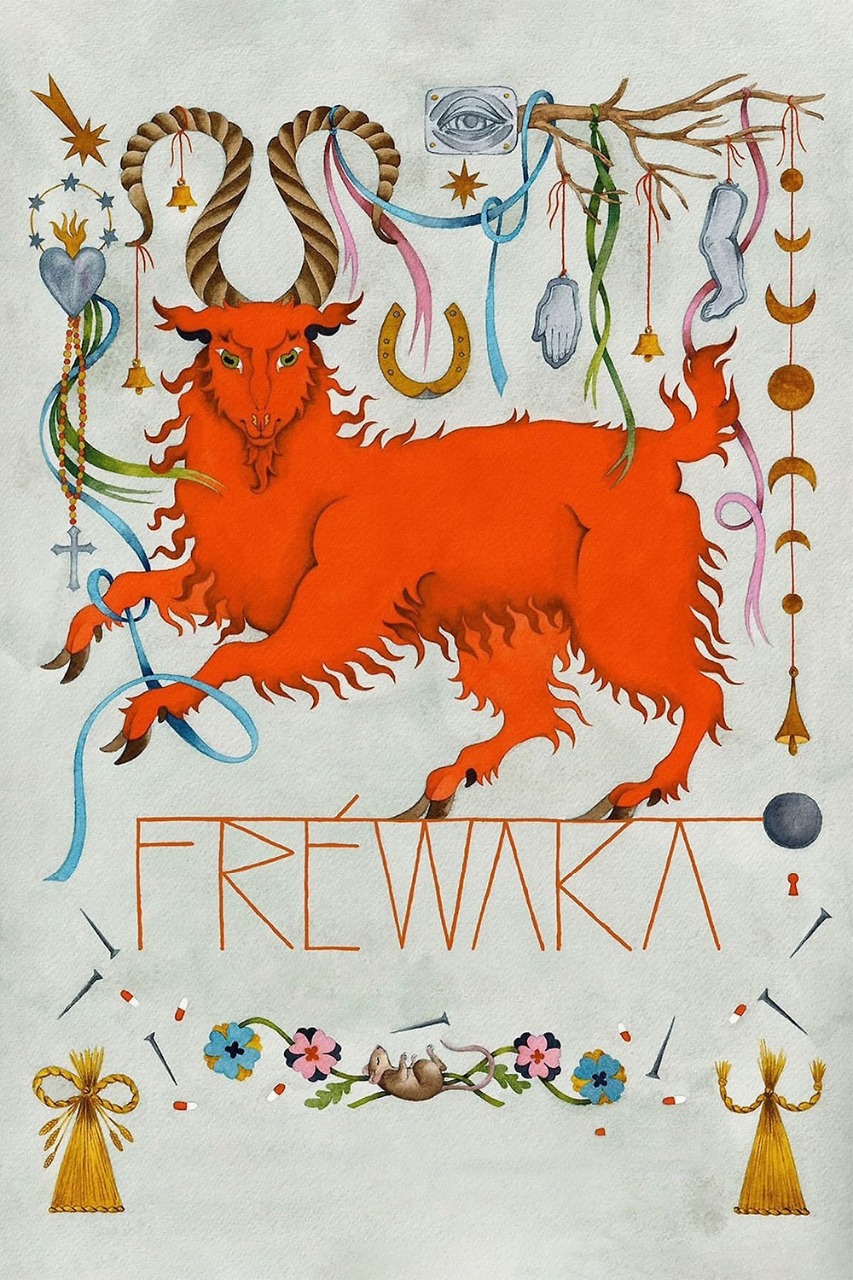 Film: Fréwaka
Year: 2024
Director: Aislinn Clarke
Writer: Aislinn Clarke
Starring: Bríd Ní Neachtain, Clare Monnelly and Aleksandra Bystrzhitskaya
Review:
This was a film that I learned about when I saw it hit Shudder. It went on my list of movies to check out for 2025, since it did its festival rounds last year. Its wide release is in 2025. Also knowing that this was folk horror was something that piqued my interest along with being from Ireland. Other than that, I came into this one blind. I’ve also now given it a second watch to see where I sat with it for my end of year list.
Synopsis: following a student of nursing palliative care, who is plagued by a trauma from her past that has a disorienting effect on her present, her relationship, her career and her ability to function.
We start this by seeing a goat in a grassy field. This is something that we’ll come back to. It then tells us that we’re in 1973. Peig (Grace Collender) is marrying Daithí (Mícheál Óg Lane). She’s upset that these masked people along with the goat we saw earlier come to their reception. The reason is due to them not being invited. He laughs it off saying that no one invites them, they just show up. She goes outside. Daithí follows and she’s gone.
It then shifts to the present day. We see a woman moving around her apartment, covering mirrors, singing and then taking her place by a noose. She puts a sack over her head and hangs herself. Later, we see the rope snap. Firefighters then break in. From there we then see two women enter. The daughter of the deceased is Shoo (Clare Monnelly). Her fiancée is Mila (Aleksandra Bystrzhitskaya). They’re here to clean up the place. Mila thinks it would be good closure for Shoo, who doesn’t want to keep anything. She’s also called away for a placement with an elderly woman who needs care.
Shoo takes a bus to get there. This is a long journey that takes most of the day. When she arrives at her stop, she asks the driver for directions. He’s played by Peadar Cox. He asks a passenger who sits up front, Seán (Jim Cunningham), who speaks in an Irish Gaelic that the house is cursed and she shouldn’t. They don’t realize that Shoo understood. She replies back in. They direct her to go past a fairy tree.
Upon arriving she finds the house is locked and no one answers. She goes around the side to find an overturned wheelchair. Peig is now old and played by Bríd Ní Neachtain. She wants Shoo to leave. She comes in by breaking a window. Peig opens up slowly, but the distrust runs deep. This older woman had an ordeal when she was younger, with her husband making a dangerous deal. Shoo is more connected than either of two originally realized which leads to more distrust and revelations to survive.
That is where I’ll leave my recap and introduction to the characters. Where I want to start then is that this presents an interesting folk horror tale from Ireland. I’m a sucker for this subgenre so just knowing that coming in was enough to make sure I didn’t miss this one. Now I’ll admit, most things that I see from Ireland tend to be with changelings. I thought that was where this was going at first. There are similar elements, like underground worlds, which are associated with that creature. This seems to be more about faeries, how they take people and what can be done by humans to get their loved ones back.
The film is a character study of two leads. Peig, first seen on her wedding night and later in old age, suffers from dementia and hallucinations, which adds an interesting commentary. Shoo, still a student, is probably unqualified for the case. Supernatural forces might be at play as well. Peig initially distrusts Shoo, but they grow closer. Shoo then begins to believe Peig isn't delusional, blurring perceptions of reality. The story is also told from an unreliable narrator's perspective so I like this idea that it could be supernatural or just mental illness.
Now where I’ll shift from here would be over to folklore. Peig's dementia causes her to believe faeries took her to an underworld, leaving her with severe back scars. She fears they can take her again without rituals, leading to distrust of others. Shoo starts to believe the longer she stays with her, given her mother's similar history, suggesting a possible family mental illness.
The film explores Ireland's history of mistreating women, represented by Peig and Shoo's not being believed. The town's rudeness to outsiders and the clash between traditional and modern beliefs are evident. The title translated into English as "roots," suggests evil being rooted in Ireland and the manifestation of familial trauma.
Where I’ll then go would be to the acting since that helps carry this. Neachtain and Monnelly were excellent leads, playing well off each other as their characters, though from different worlds, found similarities. Shoo’s journey also mirrors this, with a slight difference. Bystrzhitskaya was solid as Shoo's lingering dilemma: return to her or help an elderly woman. Collender and Lane effectively set the opening reception. The rest of the cast rounded out the production, pushing the main characters forward.
All that is left then is filmmaking. This does good things with the framing and in turn, the cinematography. It gets under my skin when we see things in the background and the characters don’t. There are interesting uses of mirrors as well. I’ll also include here that the sound design was good. Hearing people’s voices and not knowing if it is them, is unnerving. That works well with the mental illness angle. This doesn’t have much in the way of effects. It also doesn’t need it. This is more about the atmosphere and building the tension through there, which I think does well enough.
In conclusion, this delivers a compelling folk horror experience rooted in Irish folklore, deftly blending supernatural elements with themes of generational trauma and mental illness. Writer/director Aislinn Clarke crafts an unsettling atmosphere, supported by strong performances from Neachtain and Monnelly, who navigate their characters' complex relationship amidst a disorienting reality. While visually understated, the film excels in its sound design and evocative cinematography, creating a tension that lingers long after the credits roll. This is a thought-provoking film that uses its genre to explore deeper societal issues and the lasting impact of the past.
My Rating: 8 out of 10