Tags:
 Film: Angkor
Year: 1935
Director: George M. Merrick and L.C. Cook
Writer: George M. Merrick
Starring: Wilfred Lucas, J.S. Horne and Fred Humes
Review:
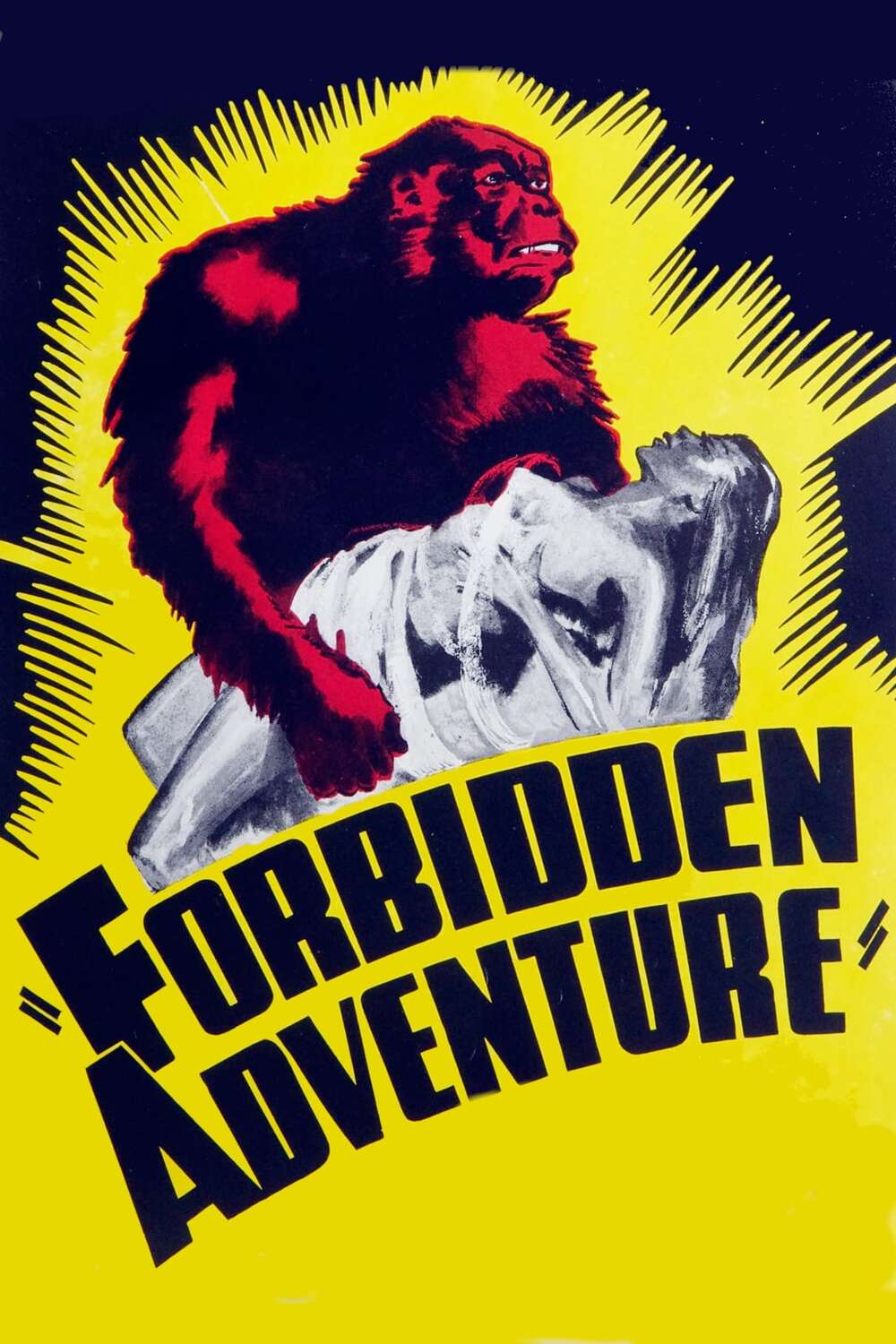
This was a film that I found when searching for horror from 1935. Now this isn’t listed that way on the Internet Movie Database. It does on Letterboxd. I’ll get back to this shortly if it is in the genre. I was able to find this on Tubi, under the name Forbidden Adventure. Other than seeing the title and lining up the information to ensure I had the correct film, I went blind.
Synopsis: a travelogue featuring footage of Angkor Wat (in Cambodia) shot by a couple of explorers in the WWI years, with additional footage shot on a set in Hollywood by George M. Merrick.
Now there actually isn’t a lot more that I need to add to what the synopsis says. This starts with text setting the stage for what we’ll get. It then goes to a room full of explorers. I believe they said that the director is in attendance. The man who is talking states that he will narrate the footage that followed Wilfred Lucas (playing himself) and J.S. Horne (playing himself) as they search for Angkor Wat. Their goal is to figure out what happened, causing its population to disappear. I’ll also say that Wilfred is a big game hunter.
It is from here that we get documentary footage where this duo sees different animals. They see the locals doing a traditional dance which sticks with them, because the women dance with a priest who has a gorilla mask. They wonder if this has a correlation to their destination, maybe a clue to explaining what happened. The men refused to lead them, fearing that when white explorers go to Angkor, they don’t return. There are a group of women who do agree. They head into the jungle.
When they finally arrive at their destination, they soon discover that the stories on the walls might tell the tale. They also could be in trouble by wildlife that has taken up residence in this glorious, abandoned city.
That’s where I’ll leave my recap and introduction to the characters. While classified by some as a horror film, I don't see it that way. The explorers and their guides face deadly animals like tigers and alligators, and we even see a woman mauled. Upon reaching Angkor, a gorilla (Fred Humes in a suit) is seen watching. There's also a secret about the guides, hinted at early on, that I won't reveal. Regardless of my thoughts, I’ll still include this due to Letterboxd.
Now from there let me talk about the filmmaking aspects. The documentary footage is interesting, especially when it was supposed to be shot. This would be early camera equipment they were using, being from around WWI. There would be things that were in a museum, but these are explorers that could be some of the first white people in the area. There is just historical significance there so I give credit.
Merrick's film features Dwain Esper as a producer, known for exploitative "drug scare" films such as Maniac, Narcotic, Marihuana and Sex Madness. These sensationalized films often toured and Merrick's work includes nude "natives" (reportedly brothel workers) to attract audiences, a tactic believable given content seen in National Geographic.
There is one last aspect that I want to include would be effects. There are a few times that I could tell Merrick probably used intercutting and overlaying to make it seem like our explorers were there. Also, there are these odd plants that feel like they were there to help frame things. The problem is that sometimes it is used, why would the camera be positioned there? I don’t think most people would look at this with a critical eye like that, so I’ll digress. Having this be narrated does make it feel more like a documentary.
I’ll then just say here that the acting of the explorers is real so credit to Lucas and Horne. All of the ‘native’ women were solid for what they did. I could believe that they were people from Cambodia. The copy wasn’t in great shape so I could see their faces to ensure that they were of Asian descent so that works in its favor. Humes was solid in the gorilla suit. Early on, there could have been real gorilla footage. It was later that I could see it wasn’t real. With what they need for this animal, I thought it would make more sense for a person in a suit. There’s also charm there.
In conclusion, this is a fascinating watch more for its historical context and exploitative filmmaking tactics than for its narrative or genre classification. While not a horror film in the traditional sense, it showcases the lengths filmmakers went to attract audiences in the 1930s. The blending of actual WWI-era travelogue footage with Hollywood-shot scenes, despite its technical inconsistencies, offers a unique glimpse into early documentary-style adventure films. The performances, particularly from Lucas and Horne, ground the experience, even with the obvious gorilla suit. It's a film that leaves you considering the blurred lines between documentary, exploitation and narrative in early cinema.
My Rating: 4.5 out of 10